
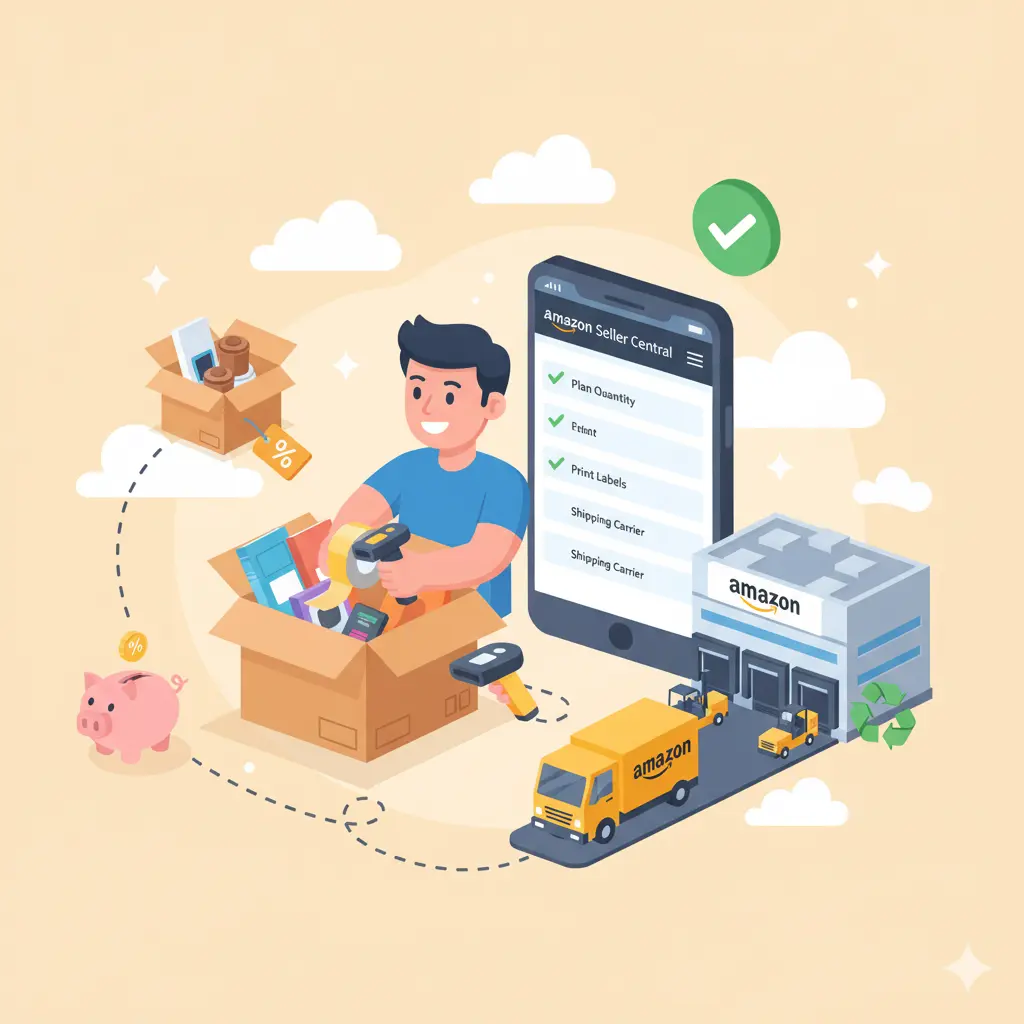
When you're looking to send items to Amazon FBA, it's crucial to understand the process from start to finish. You'll need to set up your Seller account and create a detailed shipment plan in Seller Central, but that's just the beginning.
Selecting the right products and ensuring they comply with Amazon's strict guidelines will make a significant difference. As you navigate through packaging and labeling requirements, you'll find some unexpected challenges that could affect your success. Curious about what common pitfalls to avoid? Let's explore that next.
Introduction
When you consider using Amazon FBA, it's essential to grasp how it operates and the distinct advantages it offers. This fulfillment service not only simplifies your logistics but also enhances your product's visibility and sales potential. By understanding these key aspects, you can make informed decisions that elevate your business strategy.
Understanding Amazon FBA
Understanding Amazon FBA is crucial for anyone looking to streamline their e-commerce operations and maximize their sales potential. This service, known as Fulfillment by Amazon, allows you to leverage Amazon's robust logistics and customer service infrastructure. To get started, you'll need to create a shipping plan through Amazon Seller Central, detailing how you plan to ship to Amazon FBA.
Once your plan is in place, you can send your inventory to Amazon's fulfillment centers, where they'll handle storage, packing, and shipping on your behalf. By embracing this model, you not only save time but also gain access to Amazon's vast customer base, increasing your chances of success in the competitive online marketplace.
Benefits of Using Amazon FBA
Many sellers find that using Amazon FBA offers a multitude of advantages that can significantly enhance their business operations. By shipping to Amazon, you gain access to their vast fulfillment centers, which handle storage, packing, and shipping for you.
This means you can focus on sourcing high-quality products to Amazon FBA while Amazon takes care of logistics. The streamlined process of Amazon fulfillment allows for quicker delivery to customers, which can lead to higher sales and improved customer satisfaction.
Additionally, leveraging Amazon's trusted brand can boost your credibility and visibility, helping your inventory to Amazon FBA stand out in a competitive marketplace. Ultimately, these benefits can create a smoother, more efficient path to growing your business and achieving your goals.
Preparing Your Inventory to Send to Amazon FBA
When preparing your inventory for Amazon FBA, selecting the right products is crucial for maximizing your sales potential. You'll also need to ensure that your items are packaged correctly to comply with Amazon's fulfillment standards, which can significantly impact their performance. By focusing on these two key areas, you'll set yourself up for a smoother selling experience and greater success.
Selecting the Right Products to Send to Amazon FBA
Selecting the right products to send to Amazon FBA can significantly impact your success, as the quality and demand of your inventory play crucial roles in determining profitability. As an Amazon seller, you want to ensure your FBA shipment stands out. Here are some key factors to consider:
- Market Demand: Research trending products to attract buyers.
- Competition Analysis: Identify gaps in the market you can exploit.
- Profit Margins: Calculate costs versus selling price to ensure profitability.
- Shipping Costs: Factor in how shipping affects your overall expenses.
- Product Quality: Ensure high-quality items lead to positive reviews.
Packaging Your Products for Amazon Fulfillment
Properly packaging your products for Amazon Fulfillment is crucial to ensuring they arrive at the fulfillment center in excellent condition and meet Amazon's stringent requirements. When packaging your products, consider the case pack size and box weight.
Each box should be sturdy enough to protect your items during transit, while being within Amazon's weight limits. Use appropriate cushioning materials to prevent damage, and label each box clearly with the necessary shipping information.
By taking the time to correctly package your products, you not only enhance the likelihood of successful delivery but also build a reputation for reliability. This attention to detail is essential when you ship your inventory, as it fosters trust and belonging within the Amazon seller community.
Step-by-Step Guide to Shipping to Amazon Fulfillment Centers
To successfully ship your products to Amazon Fulfillment Centers, it's crucial to follow a structured process. You'll start by setting up your Amazon Seller Account and then create a detailed shipment plan that outlines your inventory needs. Each step, from labeling to selecting the right shipping method, plays a vital role in ensuring your items reach Amazon efficiently and effectively.
Step 1: Setting Up Your Amazon Seller Account
Setting up your Amazon Seller Account is crucial for successfully sending items to Amazon FBA. By creating an account on Seller Central, you're taking the first step toward selling on Amazon. This process not only enables you to manage your FBA inventory but also streamlines your Amazon shipping. Here's what you need to do:
- Choose between an individual or professional plan
- Provide your business information and bank details
- Set up your tax information
- Verify your identity with Amazon
- Familiarize yourself with Seller Central features
Step 2: Creating Your Shipment Plan
Creating your shipment plan is a vital step in the process of sending items to Amazon FBA. As a seller, you'll navigate the shipment creation workflow to ensure your products reach the right Amazon warehouse efficiently.
Start by selecting the products you want to ship, ensuring they meet FBA requirements. You'll then specify the quantity and decide whether to ship your products to one or multiple FBA warehouses.
Amazon's system will guide you through this process, helping you optimize costs and shipping times. By meticulously planning your shipment, you not only enhance your inventory management but also align yourself with a community of successful sellers, ready to thrive in the competitive landscape of e-commerce.
Step 3: Labeling Your Inventory for Amazon Fulfillment
Once your shipment plan is established, the next critical step involves labeling your inventory for Amazon Fulfillment. Proper labeling is essential to ensure your products are processed efficiently in the warehouse. According to Amazon, this step can significantly impact your success. Here's what you need to consider when labeling your inventory:
- Use Amazon's FNSKU barcode for each product.
- Ensure labels are clear and easy to scan.
- Place labels on the correct side of the packaging.
- Avoid covering any important product information.
- Double-check quantities to avoid discrepancies.
Step 4: Choosing the Right Shipping Method
Choosing the right shipping method is crucial for ensuring your inventory arrives at Amazon's fulfillment centers on time and in good condition. When you want to ship your products, consider using a reputable carrier that aligns with your specific needs.
In this step-by-step guide, weigh the options between air freight and ground shipping; air is faster but typically costlier, while ground is economical but may take longer. Make sure to account for your ship date, as delays can impact your sales.
Additionally, ensure the carrier can handle shipments directly to Amazon's warehouses, as this simplifies the process. By selecting the best way to ship, you'll foster a smoother experience and enhance your relationship with Amazon and your customers.
Step 5: Sending Your Inventory Directly to Amazon
Successfully sending your inventory directly to Amazon's fulfillment centers requires careful planning and execution. If you want to send your products efficiently, follow these essential steps:
- Label your items: Ensure each product has a scannable label.
- Package properly: Use sturdy boxes and adequate cushioning to prevent damage.
- Create a shipment plan: Specify quantities and destinations through your seller central account.
- Choose reliable carriers: Select shipping companies that have a reputation for timely deliveries.
- Track your shipment: Monitor your inventory's journey to stay informed and address issues promptly.
Tips for Successful Amazon FBA Shipping
When it comes to shipping to Amazon FBA, avoiding common mistakes can save you time and money. You need to understand the best practices for managing your inventory to ensure a smooth process and maximize your sales potential. Let's explore the crucial strategies that will set you up for success and keep your operations running efficiently.
Common Mistakes to Avoid When Sending Products to Amazon FBA
Shipping products to Amazon FBA can be a daunting task, and overlooking critical details can lead to costly mistakes. To ensure a smooth experience, keep these common pitfalls in mind:
- Insufficient Packaging: Weak packaging can lead to damaged items, affecting your seller rating.
- Ignoring Labeling Requirements: Failing to follow Amazon's labeling guidelines can delay your shipment.
- Incorrect Shipping Plans: Double-check your shipping plans; errors can cause confusion and extra charges.
- Inaccurate Inventory Counts: Sending the wrong quantities can impact your stock levels and sales.
- Neglecting to Track Shipments: Always track your shipments to stay informed about their status.
Best Practices for Managing Your Inventory at Amazon Fulfillment Centers
Managing your inventory effectively at Amazon Fulfillment Centers is key to maximizing your sales and maintaining a healthy cash flow. Start by utilizing Amazon's inventory management tools to track stock levels and reorder points. Regularly analyze your sales data to identify fast-moving products and adjust your inventory accordingly.
Keep a close eye on Amazon's fees related to storage and fulfillment; excess inventory can eat into your profits. Consider implementing a just-in-time inventory strategy to minimize storage costs.
Furthermore, stay engaged with Amazon's policies and updates to ensure compliance. By optimizing your inventory management, you not only enhance your operational efficiency but also foster a sense of community with other sellers who strive for the same success.
Maximizing Your Success with Amazon FBA
Achieving success with Amazon FBA hinges on understanding and leveraging the platform's intricacies. To truly maximize your potential, focus on these key strategies:
- Optimize Your Listings: Use high-quality images and compelling descriptions to attract buyers.
- Monitor Inventory Levels: Keep track of stock to avoid running out or incurring storage fees.
- Utilize Amazon Advertising: Invest in ads to enhance visibility and drive sales.
- Analyze Performance Metrics: Regularly review your sales data to identify trends and adjust your strategies.
- Engage with Customers: Respond to inquiries and reviews to build trust and loyalty.
Conclusion
In summary, navigating the intricacies of sending items to Amazon FBA can seem daunting, but with careful preparation and strategic planning, you can turn potential challenges into opportunities for growth. By adhering to Amazon's guidelines and staying vigilant throughout the shipping process, you'll ensure a seamless transition from your inventory to the hands of eager customers.
Embrace this journey, as it's not just about shipping; it's about elevating your business to new heights of success in the ever-evolving marketplace.
