
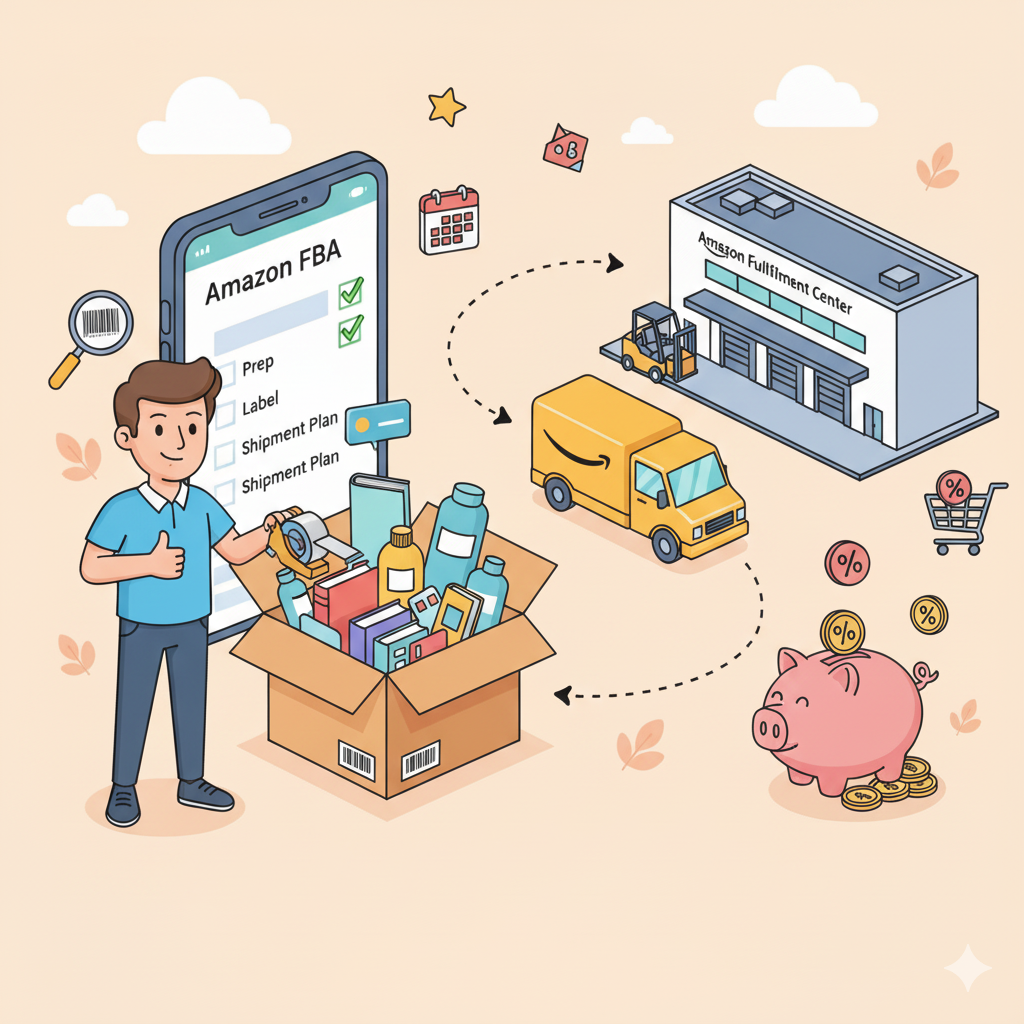
When you're looking to use Amazon FBA effectively, it's essential to grasp not just the basics, but also the nuances that can make or break your business. You'll want to optimize your product listings, manage your inventory efficiently, and understand the fee structure to keep your profits intact.
But there's more to it than just the standard practices; the marketplace is constantly evolving, and your approach needs to adapt. So, what key strategies can elevate your FBA game and help you stay ahead of the competition?
What is Amazon FBA and How Does It Work?
Amazon FBA, or Fulfillment by Amazon, streamlines your selling process by handling storage, shipping, and customer service for you. As an Amazon seller, you play a crucial role in this system by managing your inventory and ensuring your products are ready for fulfillment. Understanding how FBA works not only simplifies your operations but can also enhance your sales potential.
Understanding Fulfillment by Amazon (FBA)
Fulfillment by Amazon (FBA) revolutionizes the way sellers manage their inventory and shipping processes. As an FBA seller, you send your products to an Amazon fulfillment center, where they handle storage, packaging, and shipping for you. This means you can focus on growing your business while Amazon takes care of logistics.
When a customer places an order, Amazon ships the product directly, often leading to quicker delivery times. However, it's essential to understand FBA fees that come with the service, which can impact your profit margins.
By utilizing Amazon Seller Central, you can easily track your inventory, sales, and performance metrics, ensuring you stay informed and connected within the vibrant Amazon seller community.
The Role of an Amazon Seller in the FBA Process
As an FBA seller, you play a crucial role in a streamlined process that connects your products with a vast customer base. By leveraging the FBA program, you allow Amazon to handle storage, shipping, and customer service on your behalf.
This means you can focus more on sourcing quality FBA products and growing your seller account. Your responsibilities include managing inventory levels and ensuring your listings are optimized for visibility.
With Amazon fulfillment, your products are stored in Amazon's warehouses, making them eligible for Prime and increasing their appeal. Ultimately, your role as an amazon seller is not just about selling; it's about creating a seamless experience for customers, fostering loyalty, and building a thriving business within the Amazon ecosystem.
Setting Up Your Amazon Seller Account for FBA
To start selling with Amazon FBA, you'll first need to create your Amazon Seller Account. This step is crucial, as it sets the foundation for your business and determines which FBA program suits your needs. Understanding the different options available can help you maximize your sales potential and streamline your operations.
Creating an Amazon Seller Account
Getting started with Amazon FBA requires you to set up an Amazon Seller Account, which is your gateway to selling products on one of the world's largest e-commerce platforms.
As a beginner, you'll want to choose between an Individual or Professional seller account based on your anticipated sales volume. Creating your account is straightforward—just visit the Amazon Seller Central page, provide your business information, and link your bank account for payments.
Make sure to also verify your identity, as this builds trust with potential buyers. Once your account is live, you can start listing products and building your Amazon store. Remember, a well-optimized account can significantly enhance your ability to sell on Amazon and streamline your FBA experience.
Choosing the Right Amazon FBA Program
Once you've set up your Amazon Seller Account, the next step is to choose the right FBA program that aligns with your business goals. Understanding how Amazon FBA works is essential to making this decision. You'll want to consider the various FBA offers available, as different programs cater to unique needs.
For instance, if you're focusing on a niche market, a specialized FBA program might suit you better. Additionally, think about your FBA inventory management. Choosing the right program can streamline your processes and enhance your efficiency.
Remember, utilizing Amazon warehouses effectively can reduce shipping times and improve customer satisfaction. Take your time to evaluate your options; the right choice can significantly impact your success in the Amazon marketplace.
How to Start Selling with Amazon FBA
Now that you've set up your Amazon Seller account, it's time to focus on how to start selling with Amazon FBA. First, you'll need to select the right products that align with market demand and your business goals. Additionally, understanding how to calculate Amazon FBA fees and costs will ensure you maintain profitability as you launch your new venture.
Selecting Products for Amazon FBA
Selecting the right products for Amazon FBA can make or break your success in the marketplace. The key is to understand what will thrive in the Amazon ecosystem. Here are four tips to help you choose:
- Market Demand: Research trends and see what's popular. High demand means more sales.
- Competition Analysis: Look at what other sellers are offering. If too many are selling similar items, it might be harder to stand out.
- Profit Margins: Calculate costs including shipping to the warehouse and Amazon FBA fees to ensure you're making a profit.
- Product Size and Weight: Consider how this impacts storage in fulfillment centers. Smaller, lighter items often have lower fees and easier shipping.
Calculating Amazon FBA Fees and Costs
Understanding the costs associated with Amazon FBA is crucial for anyone looking to start selling on the platform. The Amazon FBA fee structure can seem complex, but breaking it down makes it manageable. You'll encounter various fees, including storage and fulfillment costs, which you can find in Seller Central.
When calculating costs, consider not just the FBA fees but also the cost of goods, shipping, and any advertising expenses. Amazon offers tools to help you estimate these fees accurately, ensuring you price your products competitively.
By grasping these financial aspects early, you can set your FBA business up for success and foster a sense of belonging among fellow sellers navigating the same journey.
Managing Your FBA Business Effectively
Managing your FBA business effectively hinges on your proficiency with Amazon Seller Central and a solid understanding of FBA inventory and fulfillment processes. By leveraging the tools available in Seller Central, you can gain valuable insights into your sales performance and inventory levels. This knowledge empowers you to make informed decisions that can enhance your operational efficiency and drive profitability.
Using Amazon Seller Central for FBA Management
Navigating the complexities of Amazon FBA requires a solid grasp of the tools at your disposal, and Amazon Seller Central is central to this process. This platform allows you to efficiently manage your FBA business, ensuring you can thrive in a competitive marketplace. Here are four key features you should use:
- Inventory Management: Keep track of stock levels and sales trends to optimize your listings.
- Order Fulfillment Insights: Monitor how Amazon handles shipping and customer service for you.
- Performance Metrics: Analyze your seller performance to identify areas for improvement.
- Amazon Prime Integration: Leverage Prime membership to attract more customers and increase visibility.
Understanding FBA Inventory and Fulfillment
Inventory and fulfillment are the backbone of a successful Amazon FBA business. To thrive, you need to keep a close eye on your inventory levels, ensuring you have enough stock to meet demand without overextending your budget. Use tools like Amazon Seller Central to monitor your inventory health, analyzing performance metrics and trends.
Fulfillment is equally vital—understanding how Amazon handles storage, packing, and shipping can help you streamline operations. Familiarize yourself with Amazon's fees, as they'll directly impact your profitability.
Regularly evaluate your sales data to identify top-performing products and those that may need to be discounted or removed. By mastering inventory and fulfillment, you'll create a more efficient and profitable FBA business, fostering a sense of community and success among fellow sellers.
Pros and Cons of Selling on Amazon FBA
When considering Amazon FBA for your business, it's essential to weigh both the advantages and disadvantages. On one hand, FBA can streamline your operations and boost your visibility, making it easier to reach customers. On the other hand, there are costs and potential drawbacks that you need to keep in mind before jumping in.
Advantages of Using FBA for Your Amazon Business
As you delve into the world of Amazon selling, understanding the advantages of using Fulfillment by Amazon (FBA) can significantly impact your business strategy. Here are some key benefits:
- Prime Eligibility: Your products become Prime-eligible, attracting millions of loyal Amazon shoppers.
- Time Savings: FBA handles storage, packing, and shipping, freeing you up to focus on growth.
- Customer Service: Amazon manages customer inquiries and returns, providing a seamless experience for buyers.
- Scalability: As your business grows, FBA can easily accommodate increased inventory without overwhelming logistics.
Cons of Amazon FBA: What to Consider
While the benefits of Fulfillment by Amazon (FBA) can be enticing, it's important to weigh these advantages against the potential downsides. One major concern is the cost; FBA fees can cut into your profits, especially if you're selling lower-priced items. Additionally, you might face storage fees for unsold inventory, which can add up quickly.
There's also a loss of control over your inventory; once you send your products to Amazon, you rely on their systems for storage and shipping. Plus, if customer service issues arise, Amazon handles them, which might not align with your brand's voice.
Lastly, competition is fierce, making it harder to stand out. Balancing these factors with FBA's benefits is crucial for your success.
Advanced Strategies for Amazon FBA Sellers
To truly maximize your Amazon store's potential, you need to adopt advanced strategies that set you apart from the competition. Leveraging FBA effectively can give you a significant edge in the crowded Amazon marketplace. By focusing on targeted techniques, you can enhance your visibility and boost your sales performance.
Maximizing Your Amazon Store's Potential
Maximizing your Amazon store's potential requires a blend of strategic planning and keen market insight. To truly stand out and thrive, consider these advanced strategies:
- Optimize Your Listings: Use relevant keywords and high-quality images to enhance visibility and attract more buyers.
- Leverage Customer Feedback: Actively seek reviews and respond to customer inquiries to build trust and improve your store's reputation.
- Utilize Amazon Advertising: Invest in PPC campaigns to drive targeted traffic to your products, increasing sales potential.
- Analyze Competitor Strategies: Regularly assess your competitors' offerings and pricing to stay competitive and identify new opportunities.
Using FBA to Compete in the Amazon Marketplace
In today's competitive landscape, utilizing Fulfillment by Amazon (FBA) can give you a significant edge over other sellers. By leveraging Amazon's vast logistics network, you can offer Prime shipping, which attracts loyal customers who prioritize fast delivery. This advantage not only enhances your visibility but also establishes trust with potential buyers.
Furthermore, analyzing your competitors' pricing strategies can help you position your products effectively. Use tools like Amazon's Seller Central to monitor market trends and optimize your listings with relevant keywords.
Don't forget to invest in high-quality images and compelling descriptions; they'll set you apart in a crowded marketplace. Ultimately, the key to thriving with FBA lies in continuously adapting your approach, ensuring you stay connected to the evolving needs of your audience.
Conclusion
In the dynamic world of Amazon FBA, success isn't just a destination—it's a journey. As you implement the strategies outlined, imagine your business growing like a thriving garden, nurtured by careful planning and diligent management. Embrace the tools at your disposal, from optimizing listings to understanding fees, and watch your efforts bloom.
Remember, the key lies in continuous adaptation and learning, ensuring you stay ahead in this competitive landscape. Your FBA venture can flourish with the right approach!
